100 Years of Caribbean Food Centennial Pride and Passion
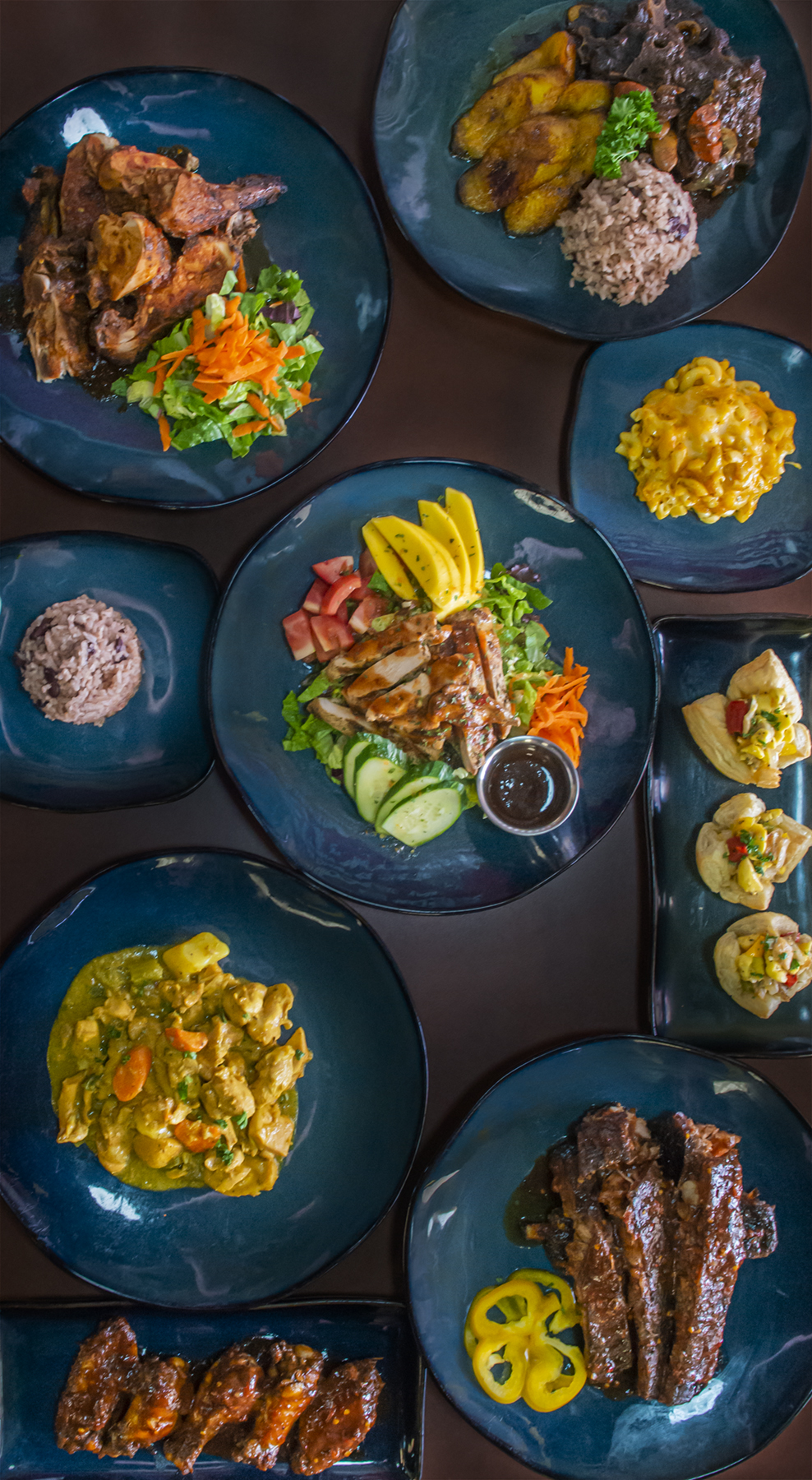
A hundred years is long enough for recipes to travel by memory, by migration, by necessity, and by celebration. It is long enough for a dish once cooked over coal in a yard kitchen to become the signature item at a city restaurant thousands of miles away. It is long enough for grandparents to teach grandchildren how to judge a pot not by a timer, but by scent, texture, and sound. When people speak about a Caribbean food centennial, they are not only marking time. They are recognizing endurance.
Caribbean food has always carried more than flavor. It carries weather, trade, labor, scarcity, faith, conquest, adaptation, and joy. It tells the truth about who had access to land, who had to make do, who preserved seeds, who brought techniques across oceans, and who turned a hard life into a table full of warmth. Across the region, the details differ sharply from island to island and coast to coast. Yet the deeper pattern remains familiar. Good Caribbean cooking takes what is available, respects what is seasonal, and refuses to waste what still has value.
That is one reason centennial reflection feels so fitting here. One hundred years offers enough distance to see how much has changed, but also enough continuity to feel what has stubbornly remained the same.
A cuisine shaped by crossings, not straight lines
No honest discussion of Caribbean food can pretend it developed in isolation. The region has always been a crossroads, often under harsh conditions not of its own choosing. Indigenous foodways formed the earliest foundations. Cassava, peppers, maize, sweet potato, and methods for grating, pressing, roasting, and preserving were already established before European arrival. Then came African knowledge systems, not as a footnote, but as a central force in what Caribbean food became. Rice cookery, one-pot methods, seasoning habits, stewing traditions, and the instinct to transform humble ingredients into deeply satisfying meals owe much to African culinary intelligence carried under brutal circumstances.
European influence entered through colonization, plantation systems, religion, and trade. Salt cod, wheat flour, sugar, rum, citrus, and livestock changed local diets, sometimes by choice, often by imposition. Later, indentured labor from India and parts of Asia added spices, curries, roti traditions, chutneys, and new ways of handling legumes and vegetables. Chinese cooks and merchants left their mark too, especially in urban food culture, where stir-frying techniques, sauces, and hybrid street dishes found a natural home.
What emerged was never a neat blend. It was a set of living cuisines shaped by unequal history, local ingenuity, and regional pride. The result is one of the most layered food traditions anywhere in the world. That complexity is part of what gives a centennial celebration real weight. You are not honoring a static menu. You are honoring survival through change.
The century lives in the pot
When families talk about old recipes, they rarely mean a written document. More often, they mean a method absorbed over time. A grandmother peels green bananas with speed that looks almost mechanical. An uncle salts fish, tastes broth, and knows exactly when to add thyme without measuring a thing. A mother rubs spice into chicken the night before because she understands patience is not decorative, it is structural. The dish needs rest if it is going to speak clearly.
That practical inheritance matters. In many Caribbean households, recipes were not preserved on index cards. They were preserved in repetition. Sunday cooking, holiday cooking, funeral cooking, christening cooking, market-day cooking, beach-lime cooking, and roadside-pan cooking each taught different lessons. Some taught thrift. Some taught scale. Some taught hospitality. All taught judgment.
Think of a pot of pelau in Trinidad and Tobago, where the sugar must darken just enough before the meat goes in. Rush it and the flavor stays flat. Push it too far and bitterness takes over. Or consider Jamaican rice and peas, where the coconut milk, scallion, thyme, Scotch bonnet, and peas must settle into each grain of rice without turning the pot heavy. In Barbados, cou-cou and flying fish demand timing and texture. In Haiti, soup joumou is never just soup. It is memory, independence, and ceremony in a bowl. In Puerto Rico, sofrito is less a recipe than a sensory foundation. In Guyana, pepperpot rewards long simmering and careful balance, especially when cassareep leads the flavor rather than merely coloring the stew.
These are not museum dishes. They still change from cook to cook, parish to parish, and family to family. That is the point. A century of Caribbean food is not a story of rigid preservation. It is a story of continuity through adaptation.
Scarcity taught discipline, celebration taught abundance
One of the defining tensions in Caribbean food is the movement between frugality and feast. Many of the region’s most beloved dishes come from economies of restraint. Salt fish stretched across several meals. Ground provisions filled stomachs when imported goods cost too much. Bones flavored broths. Breadfruit replaced more expensive starches. Plantains were cooked green, ripe, mashed, fried, boiled, or baked because versatility mattered.
Then there is the other side of the table. Weddings, Christmas mornings, carnival seasons, emancipation commemorations, and market weekends opened the door to abundance. Meat appeared in larger quantities. Cakes grew richer. Drinks turned stronger. Spice became bolder. Pots got bigger. People cooked not just to feed, but to honor.
That rhythm still defines the emotional structure of Caribbean cuisine. A weekday meal might remain modest and direct, built around rice, peas, greens, and a small portion of protein. A major holiday table, by contrast, can be loaded with ham, black cake, sorrel, pastelles, roast pork, casseroles, puddings, and relishes that took days to prepare. This contrast is one of the clearest ways to understand a century of culinary pride. People learned how to survive hardship without giving up the right to celebration.
The ingredients that became signatures
Many ingredients recur throughout the Caribbean, but their treatment reveals local identity. Coconut appears in sweet and savory cooking, but not in the same proportions or contexts everywhere. Scotch bonnet and other hot peppers are used with very different intentions, sometimes to dominate, sometimes to perfume. Green seasoning, epis, sofrito, and curry blends each perform a similar cultural role, yet they taste unmistakably of the place that makes them.
Salt fish remains one of the region’s great examples of history preserved reggaepotjamaicangrill.com caribbean food centennial in flavor. Once tied to colonial trade and plantation rations, it has been transformed into dishes of real affection and skill. Ackee and saltfish in Jamaica, buljol in Trinidad, saltfish fritters in several islands, and bacalaíto in Puerto Rico all show how one preserved ingredient can take on multiple identities.
Ground provisions deserve equal respect. Yam, cassava, dasheen, eddoes, sweet potato, green banana, and breadfruit are not side notes. They are anchors. They fill, comfort, and stabilize meals. They also reveal class histories. In many households, imported white foods once carried social prestige, while local root crops were associated with necessity. That hierarchy has shifted in recent years, especially as chefs and home cooks alike have returned to traditional ingredients with new confidence. What was once dismissed as poor people’s food is now correctly recognized as nutritionally strong, agriculturally appropriate, and culturally central.
Spices tell another century-long story. Nutmeg in Grenada, pimento in Jamaica, cinnamon and clove across festive baking, cumin and geera in Indo-Caribbean cooking, fresh thyme almost everywhere, all of them show how seasoning becomes identity. Caribbean food is often described as bold, but bold is not the same as careless. The best cooks know restraint. Heat without depth gets old quickly. Sweetness without acid becomes dull. Smoke without herb brightness turns muddy. The cuisine is strongest when it balances force with clarity.
Restaurants changed the public face, home kitchens kept the soul
Over the past hundred years, Caribbean food moved from private domestic spaces into wider public view. Roadside vendors, rum shops, canteens, bakeries, fish fries, market stalls, and family-run restaurants all helped shape its commercial life. Later, migration carried these formats into London, Toronto, New York, Miami, and beyond. A century ago, many dishes now praised by critics would have been considered ordinary working food. Today, curried goat, jerk pork, doubles, bake and shark, oxtail, and patties sit at the center of serious conversations about taste, identity, and culinary craft.
Still, restaurants only tell part of the story. The most influential Caribbean kitchens have often been domestic. Home cooks established the benchmark that commercial cooks had to meet. If a restaurant’s pepperpot lacked depth, guests knew. If the roti skin was tough, if the stew chicken had not rested in seasoning long enough, if the sorrel tasted thin, people noticed immediately because memory is exacting. Caribbean diners tend to compare every public meal to a private standard formed early in life.
That tension keeps the food honest. It prevents trendiness from replacing substance. A chef can plate callaloo elegantly, but if the texture is wrong or the seasoning timid, no presentation will rescue it. This is where centennial pride matters. Caribbean food has entered broader culinary conversation without needing to abandon the standards that made it meaningful in the first place.
Migration expanded the pantry and sharpened memory
If there is one force that has shaped the last century of Caribbean food as strongly as any ingredient, it is movement. Migration changed what people could buy, what they had to substitute, and what they chose to preserve. Families arriving in colder countries searched for familiar produce and often found approximations instead. Green bananas might be available, but not the right variety. Fresh thyme could be found, but not the same scent. A hot pepper might bring heat without the fruitiness people expected. Salt fish remained dependable. Certain root crops became precious.
Out of this came a distinctive diaspora cooking style, practical, inventive, and emotionally precise. People learned to make a good pot with what local supermarkets carried. Frozen callaloo stood in for fresh. Canned coconut milk replaced grated coconut. Different cuts of meat took the place of traditional ones. Some substitutions worked beautifully. Others merely got the job done. But even imperfect versions mattered, because they maintained continuity.
The diaspora also helped standardize some foods in public imagination. Jamaican jerk became globally visible, sometimes at the expense of understanding how diverse Caribbean cuisine really is. Trinidadian doubles gained cult status in major cities. Haitian griot, Cuban ropa vieja, Dominican sancocho, and Bajan macaroni pie each found new audiences. That visibility is valuable, but it can also flatten distinctions if not handled carefully. The Caribbean is not a single kitchen. Centennial recognition should celebrate shared patterns without blurring local sovereignty.
What a centennial celebration should actually honor
If a community, institution, or food festival marks one hundred years of Caribbean culinary heritage, the strongest celebrations do more than showcase popular dishes. They honor systems of knowledge that made those dishes possible.
A meaningful tribute tends to recognize several caribbean food centennial forms of labor at once:
- Farmers and fishers who kept local ingredients in circulation.
- Home cooks who preserved methods through repetition rather than print.
- Street vendors and small restaurateurs who gave the cuisine public life.
- Migrant families who rebuilt familiar foodways in unfamiliar places.
- Younger chefs who reinterpret tradition without stripping it of context.
That range matters because culinary history can become distorted when attention falls only on glamorous end products. A perfect plate begins long before service. It starts in soil quality, seed availability, spice storage, fuel cost, weather shifts, and time. Anyone who has cooked seriously in the Caribbean knows that practical conditions shape flavor every day. If the fish catch is poor, the menu changes. If rain affects produce, a dish may need rethinking. If electricity is unreliable, preservation methods matter more. This is living cuisine, not decorative heritage.
Pride without nostalgia
Centennial pride becomes most useful when it avoids sentimentality. The Caribbean food story includes resilience, but it also includes deep inequalities. Plantation systems left scars not only on economies, but on land ownership, labor patterns, and access to food. Imported processed products, often cheaper and heavily marketed, have altered diets across the region. Tourism has sometimes encouraged simplified, performance-friendly versions of local dishes, while agricultural pressures have made some traditional ingredients harder to source.
There is no value in pretending the past was purer. Older generations often ate more locally and seasonally, yes, but they also cooked under conditions of scarcity, physical strain, and limited infrastructure. Coal pots were not romantic when heat was oppressive and fuel difficult to afford. Hand-grating cassava was not quaint if you had to do it repeatedly while managing a household. Respecting tradition means understanding the work inside it, not just admiring the result.
At the same time, contemporary cooks face different challenges. Fast food has expanded. Imported convenience items save time but often reduce depth of flavor. Younger people may know how a dish should taste, yet lack the hours needed to learn it properly. This does not mean tradition is disappearing. It means transmission must be made deliberate. Weekend cooking, family demonstrations, recipe recording, school garden programs, local food festivals, and intergenerational kitchen projects can all help. The century ahead will depend on whether people keep teaching as seriously as they keep celebrating.
The future sits beside the old pot
Some of the most interesting Caribbean cooking right now comes from chefs and home cooks who understand boundaries well enough to stretch them intelligently. They are using breadfruit flour in baking, revisiting old pickling methods, refining cassava applications, reducing waste in fish preparation, and building menus around underused local produce. Others are restoring public respect for dishes once dismissed as rustic. That work matters because it protects culinary diversity at a moment when global food culture often rewards sameness.
Climate pressure will shape the next chapter. Hurricanes, drought, rising costs, and supply chain disruptions are already affecting what people can grow and buy. That reality makes local resilience more than a slogan. It demands attention to seed saving, coastal fisheries, regional trade, school meals, and agricultural policy. Food pride without food security is fragile. A centennial perspective reminds us that Caribbean cuisine has survived repeated disruption, but survival should not be taken for granted.
The good news is that the cuisine itself offers clues for endurance. It already knows how to adapt. It already values multiple starches, preserved proteins, one-pot cooking, seasoning pastes, nose-to-tail and root-to-leaf habits, and communal labor. These are not backward practices. They are durable ones. Modern Caribbean food can embrace innovation while remaining grounded in methods that proved themselves over generations.
What remains after one hundred years
Stand near a Caribbean kitchen at the right hour and certain constants reveal themselves. The perfume of thyme hitting hot oil. The sweetness of browning sugar before stew begins. The sting of cut pepper in the air. The heft of a wooden spoon working a thick pot. The expectation that someone will ask if you have eaten, and mean it sincerely. Across a century, those details carry more than nostalgia. They carry continuity of care.
That is the heart of centennial pride and passion. Not perfection, not trend, not export value alone. Care. Care in seasoning early. Care in saving the best piece for a guest. Care in making enough for one more person than expected. Care in correcting a younger cook gently but firmly, because the dish deserves precision. Care in refusing to let history be flattened into a few tourist favorites.
Caribbean food has earned its centennial celebration because it has done difficult work with grace. It has fed field workers and office workers, mourners and dancers, children late home from school and elders who still remember harder decades. It has crossed borders without losing its accent. It has adapted to supermarkets, shipping containers, restaurant trends, and diaspora life while keeping hold of its deeper grammar.
One hundred years on, the message in the pot is clear. This cuisine is not surviving by accident. It survives because generation after generation chose to keep cooking, keep tasting, keep correcting, keep offering, and keep remembering. Pride made it visible. Passion kept it alive.
Reggae Pot Jamaican Grill
Address: 7562 S University Blvd Unit C, Centennial, CO 80122
Phone: (303) 997-5623
FAQ About caribbean food centennial
What Jamaican dishes can I try in Centennial?
Reggae Pot Jamaican Grill serves Jamaican specialties such as jerk chicken, stewed oxtail, curry goat, and ackee and saltfish. Check the current menu for availability.
What is ackee and saltfish?
It is Jamaica’s national dish. The restaurant prepares ackee with salted cod, onions, thyme, tomatoes, garlic, black pepper, and pimento.
Can I order Jamaican food for pickup in Centennial?
Yes. Choose the Centennial location at 7562 S University Blvd Unit C when placing a takeout order.