Caribbean Food Centennial: A Landmark in Culinary History
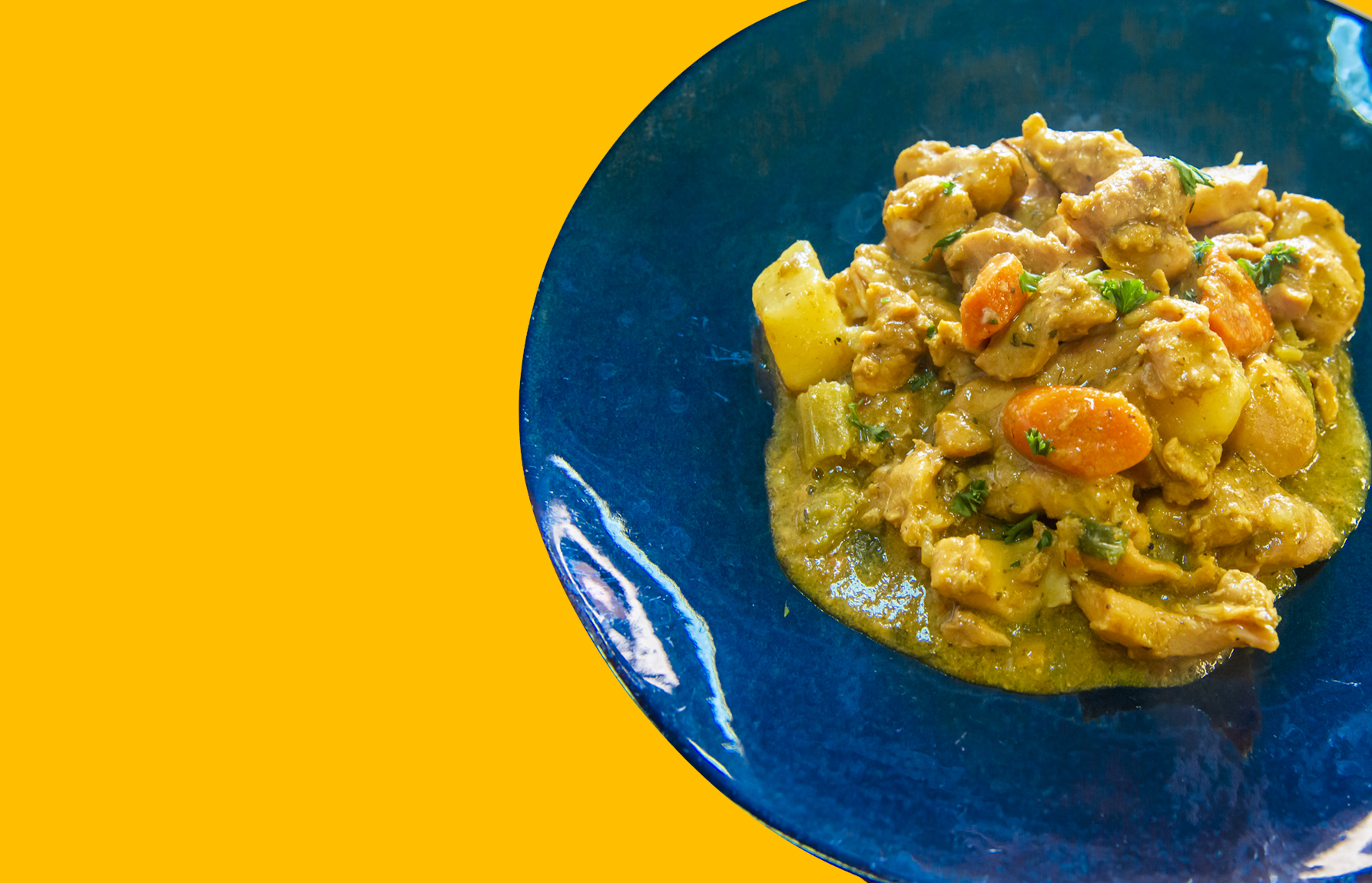
A centennial invites more than celebration. It demands perspective. When a food tradition reaches a hundred-year marker in the public imagination, whether through a festival, a culinary movement, a restaurant lineage, or a broader act of cultural recognition, the occasion becomes a way to measure survival, adaptation, and influence. That is what makes the idea of a Caribbean food centennial so compelling. It is not simply about age. It is about what endured the hard crossing from home kitchens to public tables, from family memory to shared heritage, and from regional identity to global appetite.
Caribbean food has always carried more than flavor. It carries migration, conquest, resistance, scarcity, ingenuity, ceremony, and pride. Across Jamaica, Trinidad and Tobago, Barbados, Haiti, Cuba, Puerto Rico, the Dominican Republic, Martinique, Guadeloupe, and the wider archipelago, food tells the truth in a way official narratives often cannot. You can trace labor systems through starches, colonial trade routes through spices, and survival strategies through preservation methods. A bowl of callaloo or a plate of rice and peas is never just dinner. It is a historical record that happens to smell good.
To speak of a Caribbean food centennial, then, is to recognize a milestone in culinary history that belongs not to a single dish, but to a living, changing body of knowledge. One hundred years is long enough for recipes to migrate, mutate, and return home in altered form. It is long enough for ingredients once treated as humble or poor to become prized. It is long enough for entire generations to argue over who makes the proper version of a dish, which is usually a sign that the dish is healthy, alive, and deeply loved.
A cuisine born from collision and craft
Few regional foodways have been shaped by as many converging forces as Caribbean cuisine. Indigenous agricultural knowledge formed the earliest foundation, especially around cassava, maize, peppers, and local seafood. Then came European colonizers bringing livestock, citrus, sugar cultivation, wheat, and cooking techniques tied to their own class structures. The forced arrival of Africans transformed everything, not only through ingredients and methods but through a sophisticated culinary intelligence that made plantation rations edible, nourishing, and often extraordinary. Later migrations from India, China, the Middle East, and elsewhere layered in new seasonings, breads, legumes, and methods of frying, stewing, and preserving.
This is why Caribbean food resists simplification. It is not one cuisine, even though outsiders often talk about it that way. It is a family of related cuisines shaped by geography and empire, with enough overlap to feel connected and enough distinction to spark lifelong debates. The pepper profile in one island differs sharply from another. The use of coconut might be central in one region and secondary in another. A curry in Trinidad has a different social and sensory life from a curry in Jamaica, even if both share a lineage linked to indentured labor and adaptation.
In practical kitchen terms, Caribbean cooking is deeply attentive to balance. Heat matters, but so do sweetness, smoke, acidity, herbal freshness, and texture. The food knows how to feed crowds, stretch modest ingredients, honor celebration, and satisfy labor. It is built for ordinary days and feast days at once. That versatility helps explain why the cuisine caribbean food centennial has lasted and why a Caribbean food centennial feels like a landmark rather than a novelty.
What a hundred years reveals
A centennial sharpens certain questions. Which dishes remained recognizable across generations? Which techniques stayed local? Which foods crossed borders and became ambassadors, sometimes at the cost of nuance? Looking over roughly a century of documented public food culture in the Caribbean and its diasporas, a few patterns stand out.
First, the home kitchen remained the central institution, even when restaurants gained prestige. In many Caribbean families, recipes were not written down because they did not need to be. Knowledge moved through repetition, correction, smell, and touch. A young cook learned the difference between onions softened enough for a stew and onions that would leave a harsh note. They learned how long to soak salted cod, when to add thyme, how to judge hot oil by sound rather than a thermometer, and how to tell when a pudding was done by resistance in the center. That embodied knowledge is easy to underestimate if you only measure cuisine through cookbooks and professional kitchens.
Second, economic pressure often strengthened culinary ingenuity rather than diminishing it. Across the 20th century, Caribbean households dealt with colonially distorted economies, restricted access to land, import dependency, hurricanes, inflation, and migration. Yet many of the foods that now define the region emerged from those very constraints. One-pot meals made fuel go further. Salted and dried ingredients extended shelf life in humid climates. Breadfruit, once introduced as plantation food, became a beloved staple in many places. Off-cuts and scraps developed their own culinary dignity, handled with enough seasoning and technique to rival costlier meats.
Third, diaspora communities became preservation engines. In cities like London, Toronto, New York, Miami, and Brooklyn in particular, Caribbean cooks recreated familiar tastes under unfamiliar conditions. Sometimes they found the right Scotch bonnet, green seasoning ingredients, or cassava flour. Sometimes they improvised. That improvisation matters. A Trinidadian roti shop in Toronto, a Jamaican bakery in South London, or a Dominican cafeteria in Upper Manhattan can become both archive and laboratory. These establishments often preserve dishes long enough for the next generation to reclaim them with renewed seriousness.
The dishes that carried history forward
Every Caribbean nation has emblematic dishes, but a centennial lens highlights not only what became famous, but what proved durable. Jerk is one obvious example, although it is too often flattened into a single flavor profile. Proper jerk is a method and a tradition before it is a bottled marinade. The combination of pimento, Scotch bonnet, smoke, and slow cooking reflects a specifically Jamaican history, including Maroon ingenuity and woodland techniques of seasoning and concealment. Once jerk traveled, it gained reach, but also lost context in some commercial settings. That trade-off is common in culinary expansion. Visibility rises, precision sometimes falls.
Rice dishes tell another story. Rice and peas, pelau, moro, congri, and related combinations illustrate how staple grains become sites of cultural identity. The distinctions can seem subtle to an outsider. They are not subtle to the communities that make them. The timing of the beans, the fat used, the aromatics, the cooking vessel, whether coconut milk is essential or optional, whether the rice should be fluffy or slightly sticky, all of these details matter. In professional kitchens, I have seen more passionate argument over rice than over expensive proteins, because rice is where technique shows and memory sits.
Seafood also marks the Caribbean culinary record in powerful ways. Flying fish in Barbados, saltfish across multiple islands, conch in the Bahamas and Turks and Caicos, accras in the French Caribbean, escovitch preparations in Jamaica, and fish stews everywhere demonstrate an intimate relationship with coastal life. Freshness matters, of course, but so does seasoning discipline. Acid, herbs, pepper, and allium often do the heavy lifting. Caribbean seafood rarely hides behind butter or cream. It aims for directness.
Then there are the foods of festivity. Black cake soaked with wine and spirits, sorrel at Christmas, pastelles and ham in Trinidad, hallacas in Caribbean Latin communities, fritters for Carnival mornings, soup joumou in Haiti on Independence Day, and countless Easter buns, cassava pone variations, and market sweets remind us that culinary milestones are often seasonal rather than linear. If a centennial matters, it is partly because these feast foods kept showing up, year after year, despite migration and upheaval. Repetition gave them authority.
Restaurants changed the conversation, but not always in the same way
For much of the last century, Caribbean food in formal restaurant culture sat in a complicated position. In many colonial and postcolonial contexts, European dining norms retained prestige, while local food was treated as ordinary, rustic, or somehow less refined. That hierarchy had little to do with flavor and everything to do with power. It affected menu language, staffing, pricing, and who received recognition as a serious chef.
Over time, that began to shift. Independent restaurants, hotels eager to market local authenticity, food festivals, cookbook authors, and television all played roles. The shift was uneven. Some places elevated Caribbean dishes by polishing them for tourist expectations, trimming away the rough edges that gave the food its soul. Others approached the cuisine with respect, presenting traditional preparations with care rather than apology.
The best Caribbean restaurants understand a difficult balance. They can refine service and sharpen technique without sterilizing the food. That means respecting heat levels while knowing when to offer context. It means using high-quality ingredients without rewriting the dish beyond recognition. It also means acknowledging that many of these foods were never meant to be minimalist. A good curry goat wants time, not abstraction. A proper sancocho asks for depth and generosity. A flaky patty should shatter slightly when bitten, leaving evidence on the plate. If you remove all the signs of abundance, comfort, or street energy, you may gain polish but lose truth.
That tension is especially visible in fine dining. Some chefs have skillfully brought Caribbean ingredients into white-tablecloth spaces, showing that breadfruit, plantain, tamarind, pigeon peas, saltfish, and cassava deserve the same intellectual and technical attention given to European staples. Yet there is always a risk that recognition comes only after the food is translated into elite codes. A centennial perspective helps correct that mistake. Caribbean food did not become worthy when upscale dining noticed it. It was always worthy.
The role of migration in building the canon
If you want to understand the last hundred years of Caribbean food, follow the people. Waves of migration after the two world wars, during decolonization, and through late 20th-century economic shifts transformed Caribbean cooking into a global presence. Food often became the first language of settlement. Before a community had political influence or wide cultural recognition, it had groceries, bakeries, takeaways, church halls, and family parties.
Those spaces did more than feed nostalgia. They standardized some dishes, diversified others, and introduced local populations to flavors they had rarely encountered. Curry goat and jerk chicken became entry points in Britain. Doubles built loyal followings in parts of Canada and New York. Cuban sandwiches and Puerto Rican roast pork gained broad appeal in Florida. Haitian griot and pikliz, Dominican mangú, and Bajan macaroni pie increasingly found audiences beyond their immediate communities.
Diaspora cooking also exposed the practical compromises behind culinary continuity. Scotch bonnet peppers might be replaced by habaneros. A fish common in one island might be unavailable abroad. Green bananas, cassava leaves, or fresh sorrel might be seasonal or expensive. Cooks adapted, sometimes reluctantly. Purists often dismiss substitution, but that misses the deeper story. Adaptation is not a betrayal of Caribbean food. It is one of its oldest habits.
Why the centennial matters now
The current moment gives the caribbean food centennial a special urgency. Recognition is finally catching up with reality, but so are new risks. Culinary popularity can lead to flattening. A region with immense diversity gets reduced to a few marketable clichés: spicy grilled meat, tropical cocktails, coconut somewhere in the background. That is profitable, but it is not accurate.
At the same time, younger Caribbean and diaspora chefs are asking harder questions about authorship, credit, sourcing, and narrative control. Who gets to profit from these foods? Who tells their story in cookbooks, media, and hospitality branding? Who is quoted as the expert, the grandmother in the market or the chef at the pass? A century marker brings those questions into sharper relief because anniversaries tend to attract institutions, sponsors, and cultural gatekeepers. The opportunity is real, and so is the risk of superficial celebration.
Climate pressure also belongs in this conversation. Caribbean food is inseparable from land and sea, yet both are under strain. Stronger storms, coastal erosion, unpredictable rainfall, and the economics of import dependency all shape what people can grow and afford. Fish stocks fluctuate. Certain crops become harder to manage. Traditional foodways are resilient, but resilience should not be romanticized. It often means extra labor, higher costs, and difficult choices for farmers, fishers, vendors, and cooks.
Seen this way, a centennial is not a backward-looking ceremony. It is a planning horizon. If these cuisines are to thrive over the next hundred years, they will need protection for agricultural knowledge, support for local producers, honest culinary education, and room for innovation that does not erase lineage.
The taste of memory, the discipline of technique
People who do not cook Caribbean food often assume the cuisine is intuitive in a casual sense, as though seasoning generously is enough. Anyone who has spent real time in those kitchens knows otherwise. The apparent abundance depends on discipline. Browning meat too little leaves a stew flat. Browning too much turns the sauce bitter. Coconut milk can enrich a dish beautifully, but if handled carelessly it can dominate or split. A pepper sauce should be bright and alive, not merely hot. Frying requires attention to temperature and moisture. Doughs for bakes, patties, and rotis demand feel, patience, and practice.
One reason centennial recognition matters is that it validates technique that has long gone unnamed. Grandmothers, market cooks, roadside vendors, and family caterers have always held professional-level standards, even without institutional titles. The woman who can season fifty pounds of chicken consistently for a community event is demonstrating craft. The man at a beach stall who knows exactly how long to grill fish over coals in shifting wind is demonstrating craft. Culinary history too often notices these skills only after they appear in formal settings. A proper Caribbean food centennial should correct that record.
I have seen this firsthand in kitchens where no one spoke about “elevation,” only about getting the food right. The best cooks were exacting. They tasted everything. They knew where thrift ended and corner-cutting began. They understood that authenticity is not rigid repetition, but faithful judgment. If a batch of thyme is unusually strong, you adjust. If the cassava is wetter than usual, you adjust. If the crowd includes elders who remember the old way, you had better adjust carefully.
Preserving the next century without freezing the cuisine
The strongest food traditions are not museums. They change, but they know what they are. That is the challenge and promise at the heart of the caribbean food centennial. Preservation cannot mean locking recipes into a single “correct” form forever. Nor can innovation become an excuse to sever food from its history, labor, and social meaning.
What helps most is serious documentation paired with living practice. Oral histories matter. So do well-tested cookbooks, archives of menus, interviews with farmers and fishers, and culinary education that teaches origin alongside execution. Young cooks benefit from learning the old ways not because they must reproduce them mechanically, but because technique without context quickly becomes style without substance.
Restaurants, schools, and cultural institutions all have a role here. So do families. A dish survives because someone insists on making it one more year, then teaches another person how. That is how centennials are earned. Not by marketing campaigns, but by repetition with care.
The broader culinary world is beginning to understand what Caribbean communities have long known. These foods are foundational, sophisticated, and historically rich. They deserve careful study and deep respect, not temporary trend status. The centennial marker makes that harder to ignore. It asks us to reckon with a century of skill, exchange, and endurance, and to recognize that the region’s culinary history has shaped the modern table far more than it is usually credited for.
What remains most striking is how much of that achievement still lives in ordinary scenes: a pot on a Sunday stove, a market vendor cleaning herbs at dawn, a baker folding dough in tropical heat, a family arguing cheerfully over whose version tastes like home. That is the real landmark. Not a date on a calendar, but a hundred years of people refusing to let flavor, memory, and identity disappear.
Reggae Pot Jamaican Grill
Address: 7562 S University Blvd Unit C, Centennial, CO 80122
Phone: (303) 997-5623
FAQ About caribbean food centennial
What Jamaican dishes can I try in Centennial?
Reggae Pot Jamaican Grill serves Jamaican specialties such as jerk chicken, stewed oxtail, curry goat, and ackee and saltfish. Check the current menu for availability.
What is ackee and saltfish?
It is Jamaica’s national dish. The restaurant prepares ackee with salted cod, onions, thyme, tomatoes, garlic, black pepper, and pimento.
Can I order Jamaican food for pickup in Centennial?
Yes. Choose the Centennial location at 7562 S University Blvd Unit C when placing a takeout order.